Source Fine Mist Cosmetic Spray Bottle for Perfume and Skincare
Compare 30 listings for fine mist cosmetic spray bottle options featuring PP and glass materials with injection molding techniques. Evaluate capacities from 10ml to 100ml, including airless pumps and screw caps, to find suitable packaging for personal care products; compare the available evidence and request quotations based on your requirements.
Key considerations
Products List




Comprehensive Sourcing Guide
Fine Mist Cosmetic Spray Bottle Sourcing Guide
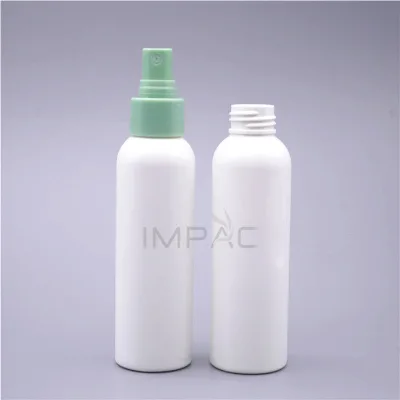
Procuring fine mist cosmetic spray bottles requires distinguishing between various dispensing mechanisms and container materials to ensure compatibility with specific formulations. The market offers distinct options ranging from plastic push sprayers designed for perfumes to airless pump systems intended for lotions. Buyers must carefully evaluate whether the application demands a full cone spray pattern or a more targeted mist, as the spraying shape directly impacts user experience and product distribution.
Selection also hinges on the physical attributes of the container, such as whether a transparent or colored finish is required for brand visibility. While some listings indicate glass construction for premium aesthetics, others specify polypropylene or general plastic materials for durability and cost efficiency. Understanding these material differences is critical, as the choice influences the bottle's recyclability, weight, and suitability for external thread connections or screw cap closures.
Product Scope and Observed Listing Signals
The observed product listings reveal a wide spectrum of capacities, ranging from small 10ml units to larger 100ml containers, catering to diverse packaging needs. Buyers should note that specific models are often designated by unique codes like AMY or SH-902-40, which may correspond to distinct dimensions or volume capacities. These variations suggest that a single supplier might offer a modular range, allowing for customization based on the specific volume requirements of the cosmetic product being packaged.
Listing signals also highlight significant variability in packaging standards, with options including paper cartons, trading cartons, and standard export cartons. Some entries specify inner PE bag protection alongside the outer carton, indicating a need for robust logistics handling to prevent damage during transit. The presence of "Any Colour" and "Customized" attributes suggests that suppliers are prepared to accommodate branding requests, though buyers must verify if these customizations affect the minimum order quantities or lead times.
Technical Specifications to Verify
Technical verification must begin with the dispensing mechanism, specifically confirming whether the unit is a push sprayer or an airless pump, as these function differently. The installation type, often an external thread connection, must align with the bottle's neck finish to ensure a secure seal. Additionally, the spraying shape, typically described as a full cone, should be tested to ensure the mist is fine enough for cosmetic applications without causing excessive product waste or uneven coverage.
Material compatibility is another critical technical factor, particularly when dealing with sensitive formulations like perfumes. While some products are explicitly labeled as glass, others utilize plastic materials such as polypropylene, which may offer better resistance to breakage. Buyers should also verify the surface handling methods, such as screen printing, to ensure that branding can be applied without compromising the structural integrity or chemical resistance of the container.
Compliance and Safety Documentation
Compliance documentation is essential for verifying that the packaging meets international safety and quality standards. Listings frequently reference certifications such as ISO9001 and SGS, which indicate that the manufacturing processes adhere to recognized quality management systems. However, buyers should not assume these certifications apply to every SKU without requesting specific test reports or certificates of analysis for the exact batch being ordered.
Environmental compliance is increasingly important, with many products marketed as eco-friendly and recyclable. The material composition, whether plastic or glass, dictates the end-of-life disposal requirements and must align with the brand's sustainability goals. Buyers should request detailed information on the recyclability of the specific components, including the pump mechanism and the bottle body, to ensure the entire assembly can be processed according to local waste management regulations.
Cost Drivers and Commercial Terms
Cost drivers in this category are heavily influenced by the minimum order quantity, which ranges significantly from 5,000 to 50,000 units. Higher volumes typically reduce the unit price, but the substantial MOQs can pose a barrier for smaller brands or those testing new product lines. Buyers must calculate the total landed cost, including the price per unit, shipping fees, and any additional charges for customization or special packaging requirements.
Commercial terms also vary regarding delivery locations and lead times, with some suppliers operating out of major hubs like Shanghai or Guangzhou. Lead times can extend up to 20 days, which must be factored into the production schedule to avoid stockouts. The choice of packaging, such as standard export cartons versus specialized inner bagging, can also impact the overall cost and the efficiency of the shipping process.
Supplier Qualification and Quality Control
Supplier qualification should focus on verifying the origin of the products, as listings indicate manufacturing locations in various regions of China, including Jiangsu and Guangzhou. Buyers must assess the supplier's ability to maintain consistent quality across different batches, especially when dealing with customized colors or specific model numbers. A robust quality control process is necessary to ensure that the sealing types, such as screw caps or pump sprayers, function correctly and prevent leakage.
Quality control checks should also include visual inspections for defects in the surface handling, such as screen printing errors or color inconsistencies. Since the products are intended for personal care applications, the integrity of the seal is paramount to prevent contamination. Buyers should request samples to test the mechanical durability of the push sprayers and the clarity of the transparent or colored finishes before committing to a large order.
Long-Term Procurement Checks
Long-term procurement success depends on establishing a reliable supply chain that can adapt to changing market demands and volume fluctuations. Buyers should maintain open communication with suppliers regarding inventory levels and production capacity to ensure timely delivery of future orders. Regular audits of the supplier's facilities can help verify that they continue to meet the required standards for material quality and manufacturing processes.
It is also crucial to monitor the performance of the products in the field, gathering feedback from end-users regarding the spray quality and bottle durability. If issues arise, such as clogging or leakage, the supplier must be responsive to provide replacements or adjustments. Building a partnership based on mutual trust and clear communication ensures that the procurement of fine mist cosmetic spray bottles remains a strategic advantage rather than a logistical burden.
FAQs
Can I customize the color of the fine mist cosmetic spray bottle?
Yes, customization is available for the fine mist cosmetic spray bottle. You can select from any color or choose a specific shade to match your brand identity. The product supports custom designs, allowing you to tailor the appearance to your marketing needs while maintaining the functional integrity of the packaging.
What materials are used for the fine mist cosmetic spray bottle?
The fine mist cosmetic spray bottle is constructed from PP plastic and glass components. The spray mechanism itself is made of plastic to ensure durability and consistent performance. These materials are selected for their safety in personal care applications and their ability to maintain product integrity during storage and transport.
What is the MOQ for ordering fine mist cosmetic spray bottles?
The minimum order quantity for the fine mist cosmetic spray bottle ranges from 5,000 to 50,000 pieces. This flexible MOQ structure allows businesses of varying sizes to place orders that suit their inventory requirements. Buyers should confirm the exact quantity needed with the supplier to ensure production alignment.
How long is the lead time for production?
The standard lead time for production is approximately 20 days. This timeframe allows for manufacturing, quality control, and preparation for shipment. Buyers should account for this duration when planning their supply chain to ensure timely delivery of the fine mist cosmetic spray bottles for their product launches.
What certifications do the fine mist cosmetic spray bottles have?
The fine mist cosmetic spray bottles comply with SGS standards and ISO9001 certification requirements. These certifications ensure that the manufacturing processes meet international quality and safety benchmarks. Buyers can rely on these standards to verify the reliability and consistency of the packaging solutions for their cosmetic products.
What is the spraying shape of the fine mist cosmetic spray bottle?
The fine mist cosmetic spray bottle features a full cone spraying shape. This design ensures an even distribution of the product, making it ideal for perfumes and other liquid cosmetics. The push sprayer mechanism provides consistent performance, enhancing the user experience with every application.